February 16, 2023

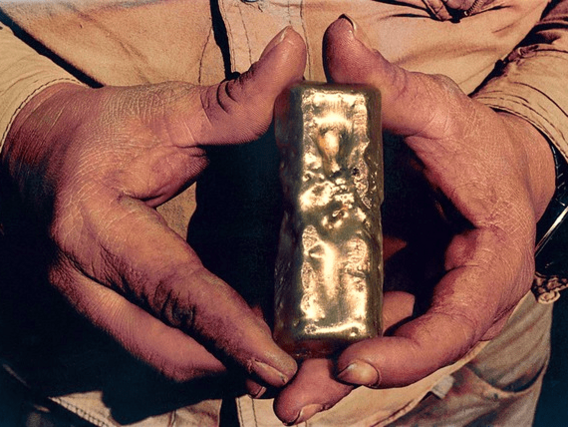
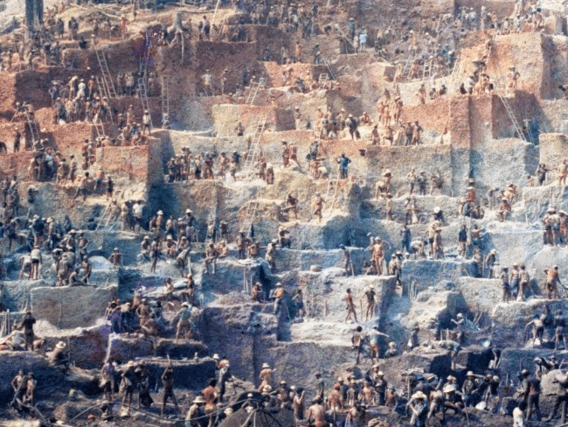
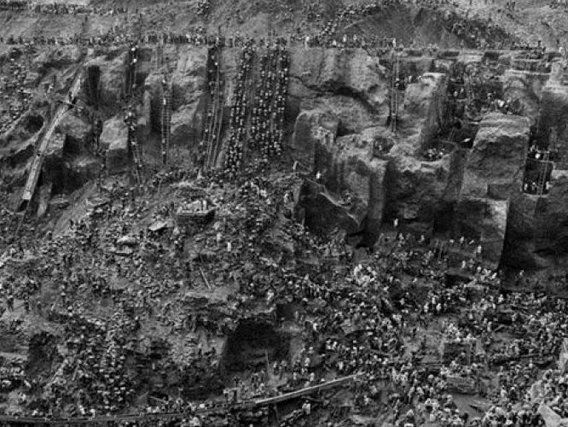
Serra Pelada is a region located in the Serra dos Carajás, in the south of the state of Pará, and is famous for having been home to the largest open-pit mining operation ever recorded in history. The Serra Pelada mine reached its peak of activity between 1980 and 1983, becoming the largest open-pit mine in the world. At the time, thousands of miners sought quick riches by extracting gold there.
Want to know more about it? Check out the main events and milestones in this story below.

There are many different opinions about the start of the gold rush in Serra Pelada. However, the most widely accepted version is that Genésio Ferreira da Silva, a former landowner in the area, discovered an atypical mineral while excavating to build a fence near a watercourse at the end of the 1970s. Initially, unaware of the type of material found, Genésio went to Marabá, where, after an analysis, he discovered that it was gold.
Genésio hired around thirty prospectors to work on extracting gold in the region, and over a period of two weeks, more than thirty kilograms of the precious metal were removed. Word spread quickly and five weeks later, around three thousand people flocked to the site in search of fortune. By 1980, the number of people in the area had exceeded five thousand.
However, the peak of exploitation came in 1983, when prospectors extracted around 14 tons of gold, according to data from the National Department of Mineral Production (DNPM), now the National Mining Agency (ANM).
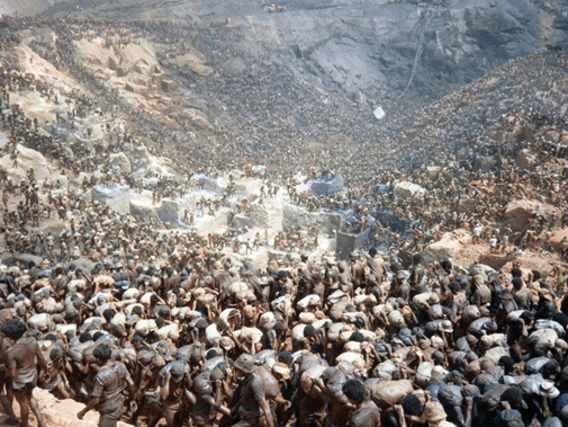
It is estimated that around 100,000 people worked to remove 42 tons of ore in the 1980s and early 1990s in Serra Pelada.

Due to gold mining, the region attracted doctors, nurses, farmers, engineers, drivers, priests and others. As the number of prospectors increased, the federal government intervened with political and economic objectives. Bodies such as the federal police, the federal revenue service, the post office and the federal savings bank were set up. To avoid confusion, women and alcoholic beverages were banned from entering the area, and army major Sebastião Curió was appointed to organize mining in the region.
The gold mined could only be sold to the federal savings bank, and the amount paid was fixed.
With the large number of people in Serra Pelada, the workers' families began to settle about 30 km from the site. As a result, in the 1980s, the town of Curionópolis was founded, named after Colonel Sebastião Curió.

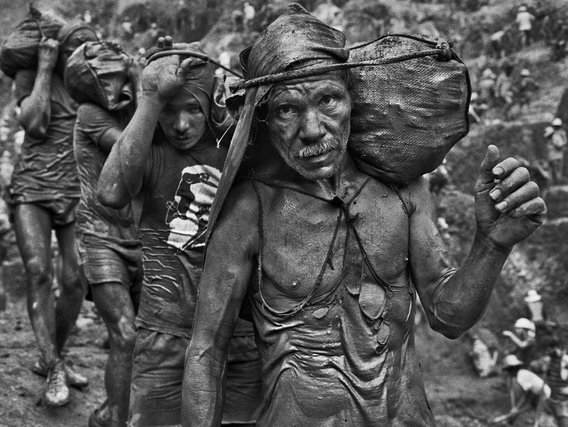
The working environment was precarious and improvised, which resulted in dangerous conditions for the miners. They suffered from intense heat, compromised ladders, ravines without safety measures and contamination from the air, mud and mercury. Unfortunately, these conditions led to several deaths.

Life for the workers was difficult. Although there was a flourishing organization and trade in the region, most of the employees could barely survive. They had no access to a decent bed and slept in crowded sheds, using only hammocks.
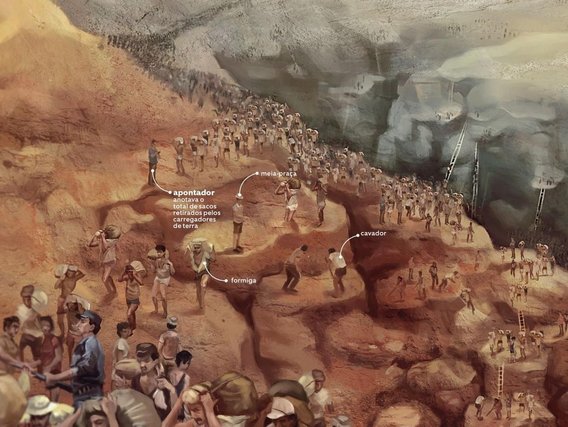
The garimpeiros woke up at dawn, around 4am, and worked until 8pm. The food was basic, usually consisting only of meat and flour. They kept their few possessions in cloth bags. Inside the pit, space was tight and the workers huddled together in the various ravines and stairways of the garimpo. All this led Serra Pelada to be known as the "human anthill".

In the Garimpo, the land was divided into ravines measuring 2 × 3 meters, which were conquered by force at first, but were later raffled off. Under the supervision of the owners of each ravine was the person in charge of orders, known as "meia-praça", who determined where to dig and received a small commission for the gold found. The other workers were called:

Gold mining in Serra Pelada was at its peak between 1980 and 1983, despite attempts by former president Figueiredo to close the site. In September 1985, after the end of the military dictatorship, the Cooperativa de Garimpeiros de Serra Pelada took control of gold mining in the region. In April 1986, a woman was allowed to enter the mine for the first time.
With the fall in gold production, on December 28, 1987, the prospectors interrupted the highway bridge over the Tocantins River to protest against the lack of security at the site and the low production. They demanded that the government improve the conditions in the mining area.
Unfortunately, the situation escalated when the Pará Military Police cleared the bridge, resulting in the deaths of miners. While the Military Police reported three deaths among the protesters, the miners reported more than 60 deaths.
This tragic event marked the end of the peak of gold production in Serra Pelada. From 1987 onwards, gold production began to decline and never reached its previous levels. In 1988, annual production fell to 745 kg and, in 1990, to less than 250 kg.
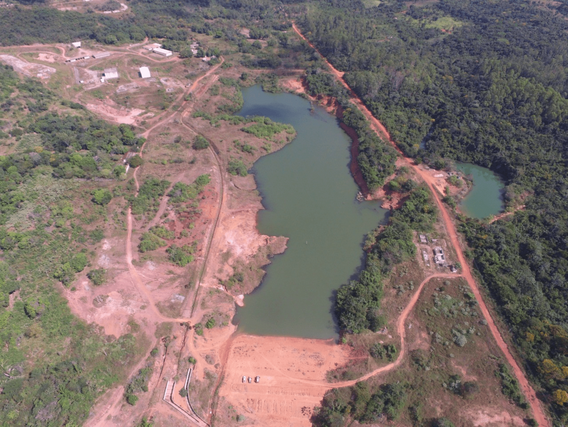
Exploration in Serra Pelada came to an end in 1992, under President Fernando Collor de Mello, who ordered the site to be closed and the drainage machines to be removed. This is how rainwater and groundwater began to occupy the area.
In 2020, a team made up of technicians from the National Mining Agency and the Parauapebas Civil Defence began an action to recover the Serra Pelada dam and minimize its risks and potential damage.

The mining rights in Serra Pelada were held by the Vale do Rio Doce company, which maintained a subsidiary on the site without exploiting the mineral. The company never managed to expel the prospectors from the region, and in 1984 Vale was approved to pay US$60 million in compensation for the gold extracted by the prospectors.
In 2001, the government granted the rights to the site to the prospectors, but in 2006 there was a standoff between the government, Vale do Rio Doce and the prospectors.
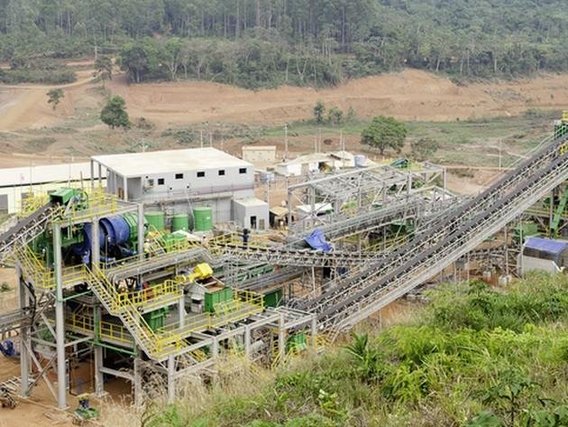
In 2007, the Canadian company Colossus Minerals signed an agreement with the Cooperativa de Mineração dos Garimpeiros de Serra Pelada (Coomigasp) to explore the Serra Pelada region. The contract stipulated that Coomigasp would have a 49% stake in the mine and Colossus 51%.
In 2009, the contract was modified and Colossus took a 75% stake. The company began making monthly payments to the cooperative, but most of the money disappeared. Following complaints, the Federal Public Prosecutor's Office investigated the case, and in 2012 the courts removed the head of the cooperative.
In 2013, Colossus Minerals faced a series of demonstrations by miners in Serra Pelada. The group was protesting against a change in the profit-sharing contract between the mining company and the cooperative. The repercussions of the project resulted in the change of several of the company's directors, including CEO Cláudio Mancuso, who resigned in November 2013.
Colossus even raised funds on the Toronto Stock Exchange in Canada, but the Serra Pelada project never got off the ground. In 2014, due to financial difficulties, the company went public and laid off its employees in Brazil. In 2016, Colossus permanently delisted its Brazilian subsidiary Colossus Mineração LTDA.
Serra Pelada was the object of interest for countless people looking to improve their financial conditions and help their families. Unfortunately, many people died in pursuit of enrichment. Although some people achieved economic success, the majority did not make any significant changes to their lives. Approximately 42 tons of gold have been extracted from the site. In addition, geological studies estimate that there are between 20 and 50 tons of gold still submerged under the lake.
The story of Serra Pelada has been portrayed in various media, such as films, miniseries and documentaries. Among the adaptations, we highlight some below:

The documentary investigates the legends and facts behind Serra Pelada, telling the story through the voices of several prospectors who worked there, exposing the difficulties they experienced, the organization of the site, their coexistence, and the hope of becoming rich through gold.

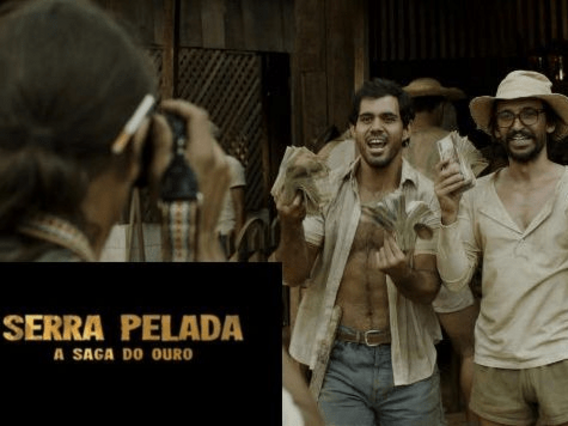
The miniseries tells the story of two friends (Juliano and Joaquim) who set off for Serra Pelada in search of a better life through mining. However, a difficult life and greed end up changing their lives and friendship forever.

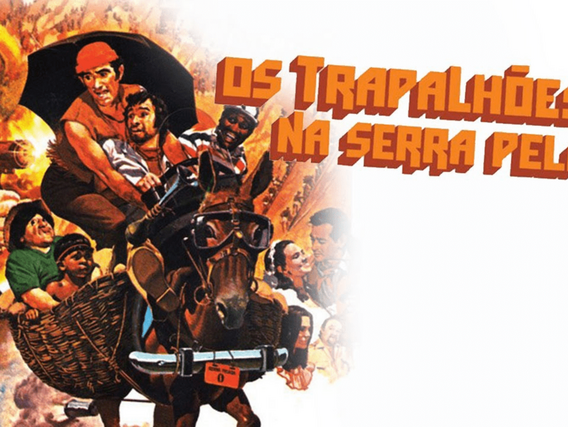
The movie shows the antics of four friends in Serra Pelada, trying to get rid of the control of a foreigner and, at the same time, become rich. The film was shot in Serra Pelada in 1982, and although it is a satire of the mining situation at the time, it can provide some good laughs.
Did you like learning more about the history of Serra Pelada? Visit our blog for more content like this!
INSTITUTO BRASILEIRO DE MUSEUS (IBRAM). Serra Pelada foi o maior garimpo a céu aberto nos anos 80 [Internet]. [s.d.]. Disponível em: https://ibram.org.br/noticia/serra-pelada-foi-o-maior-garimpo-a-ceu-aberto-nos-anos-80/.
MUNDO EDUCAÇÃO. Serra Pelada [Internet]. [s.d.]. Disponível em: https://mundoeducacao.uol.com.br/geografia/serra-pelada.htm.
SUPER INTERESSANTE. Como foi o garimpo em Serra Pelada [Internet]. [s.d.]. Disponível em: https://super.abril.com.br/mundo-estranho/como-foi-o-garimpo-em-serra-pelada/.
CRISTAL JÚNIOR. Serra Pelada: O que aconteceu? [Internet]. [s.d.]. Disponível em: https://cristaljr.com/serra-pelada-o-que-aconteceu.
INFO ESCOLA. Serra Pelada [Internet]. [s.d.]. Disponível em: https://www.infoescola.com/para/serra-pelada/.
ICONOGRAFIA DA HISTÓRIA. A história da corrida do ouro em Serra Pelada. Iconografia da História, 2 de outubro de 2020. Disponível em: https://iconografiadahistoria.com.br/2020/10/02/a-historia-da-corrida-do-ouro-em-serra-pelada/.
FOLHA DE S. PAULO. Colossus abandona projeto em Serra Pelada, diz Coomigasp. Folha de S. Paulo, 22 de dezembro de 2002. Disponível em: https://feeds.folha.uol.com.br/fsp/brasil/fc0112200223.htm.
INFORAMAZONIA. Serra Pelada: utopia do retorno da mina mais famosa do Brasil. InfoAmazonia, [s.d.]. Disponível em: https://infoamazonia.org/webstories/serra-pelada-utopia-do-retorno-da-mina-mais-famosa-do-brasil/.
NOTÍCIAS DE MINERAÇÃO. Colossus abandona projeto em Serra Pelada, diz Coomigasp. Notícias de Mineração. Disponível em: https://www.noticiasdemineracao.com/outros/news/1137341/colossus-abandona-projeto-em-serra-pelada-diz-coomigasp.
Donizete Souza
I am a student of Mining Engineering at the Federal University of Minas Gerais (UFMG) and currently work as an intern at DMT.
donizete.pereira@dmt-group.com